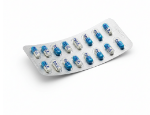
Pantoprazole belongs to a class of drugs called proton pump inhibitors (PPIs). It works by decreasing the amount of acid your stomach makes. This medication is available by prescription and in some countries, at a lower dose, over-the-counter.
It is commonly prescribed for gastroesophageal reflux disease (GERD), healing erosive esophagitis, damage to the esophagus from stomach acid, and preventing it from coming back. It is also used to treat conditions where the stomach produces too much acid.
Primary Uses
Doctors prescribe Pantoprazole for several acid-related conditions:
- Gastroesophageal Reflux Disease (GERD): Relieves symptoms like heartburn, difficulty swallowing, and persistent cough.
- Erosive Esophagitis: Helps heal acid damage to the lining of the esophagus.
- Peptic Ulcer Disease: Used alongside antibiotics to treat ulcers caused by H. pylori bacteria.
- Hypersecretory Conditions: Manages rare conditions like Zollinger-Ellison syndrome.
How it works
Pantoprazole blocks acid-producing pumps in the stomach lining. Lower acid levels allow irritated tissue in the esophagus and stomach to heal and reduce reflux symptoms.
Dosage Guidelines
Dosage depends on your medical condition and response to treatment. Always follow your doctor's instructions.
Take pantoprazole at least 30 minutes before a meal. Swallow the tablet whole; do not split, crush, or chew it, as this destroys the special coating that protects the medicine from stomach acid.
| Condition | Typical Adult Dose | Duration |
|---|---|---|
| GERD | 40 mg once daily | Up to 8 weeks |
| Erosive Esophagitis Maintenance | 40 mg once daily | Long-term as directed |
| Zollinger-Ellison Syndrome | 40 mg twice daily | Varies |
Side Effects
Most people tolerate pantoprazole well, but side effects can occur. They are usually mild and go away as your body adjusts to the medication.
Common side effects
Seek medical attention if you experience signs of low magnesium, muscle spasms, irregular heartbeat, severe diarrhea, or signs of kidney problems.
Safety & Warnings
Pantoprazole vs Omeprazole
Both are effective PPIs, but there are slight differences in how they interact with other medications and how quickly they work.
| Feature | Pantoprazole | Omeprazole |
|---|---|---|
| Drug interactions | Fewer interactions, especially with Plavix | More potential interactions |
| Cost (Generic) | Slightly more expensive | Usually cheaper |
| Availability | Mostly prescription | Widely available OTC |
Sources: Food and Drug Administration label for Pantoprazole Sodium. National Institutes of Health StatPearls: Pantoprazole. Genifast medical review board guidelines.
Frequently Asked Questions
Can I take Pantoprazole every day?
Take it daily only if your doctor has advised it. Long-term use may need monitoring for mineral levels, bone health, and symptom control.
What is the best time to take this medicine?
It is usually taken before food, often 30 minutes before breakfast. Follow the timing written on your prescription.
Does it cause weight gain?
Weight gain is not a common side effect. Speak with a clinician if you notice unexplained weight changes.
Can I drink alcohol while on this medication?
Alcohol can worsen acidity and reflux symptoms. It is better to avoid or limit alcohol while treating acid reflux.
Medically reviewed by Dr. Meera Shah, MD
Gastroenterologist - 12 years experience
Dr. Shah is a board-certified gastroenterologist specializing in functional gastrointestinal disorders, GERD, and advanced endoscopy.Disclaimer: Content is for information only. Always consult a healthcare professional before starting any new medication.